Room guide
Drinks & snacks
Ranked by Swap Priority: the swaps with the most direct, frequent contact and the strongest evidence come first.
Start here
Tea, coffee and water without the plastic
Hot drinks are a daily, repeated contact with plastic. Tea bags, pods and bottled water are the big three.
5 swaps, highest priority first
Bottled water → tap water in a steel bottle
Bottled water carries hundreds of thousands of plastic particles per litre. UK tap water is cheap and safe.
Swap first · about 3.0 kg of plastic a year
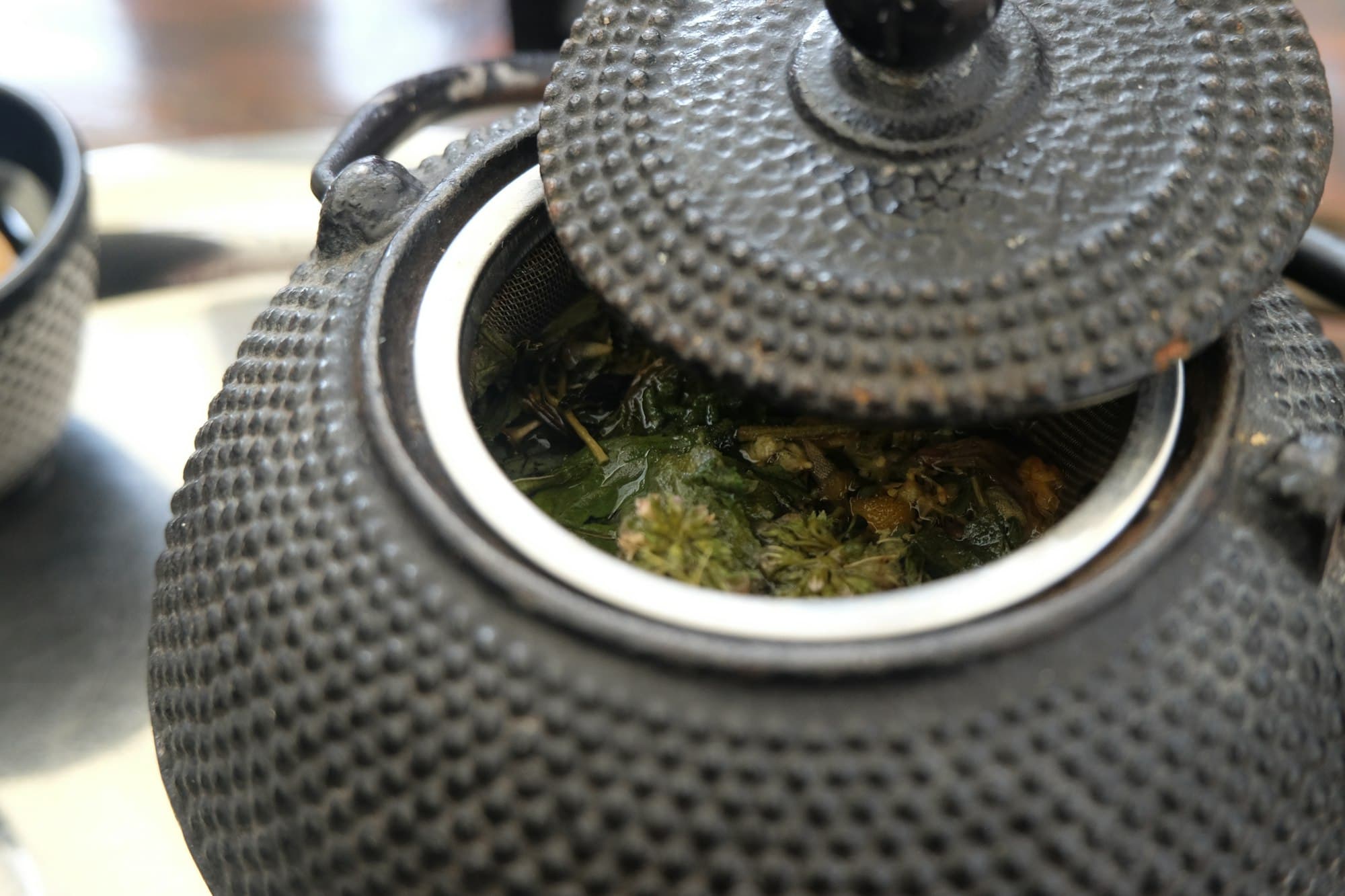
Plastic tea bags → loose-leaf or plastic-free bags
Many tea bags are sealed with polypropylene or made of plastic mesh. Hot water plus plastic, several times a day; how much reaches your cup is still debated.
High priority · about 120 g of plastic a year
Plastic coffee pods → cafetière or moka pot
One pod a day is over a kilo of hard-to-recycle packaging a year, and hot pressurised water runs through plastic.
High priority · about 1.0 kg of plastic a year
Takeaway coffee cups → reusable steel cup
Paper cups are lined with plastic and topped with a plastic lid, and they hold drinks at 80°C or more.
High priority · about 500 g of plastic a year
Chewing gum → chew less often
Most gum bases are synthetic polymers, and a pilot study found gum sheds microplastics into saliva. Natural gums shed similar amounts, so the real swap is chewing less.
Worth doing · about 100 g of plastic a year
More reading
- How to tell if your tea bags contain plastic
Look at the shape, the seal and the wording on the box. Or skip the question with loose-leaf tea.
- Microplastics in bottled water: what we know
Bottled water can carry large numbers of tiny plastic particles. UK tap water is a cheaper, lower-plastic choice.