Guides
The plastic-free kitchen: what to swap first
Heat is what turns kitchen plastic from a waste problem into an exposure problem. Start with anything that gets hot.
Plastic-free food storage that actually works
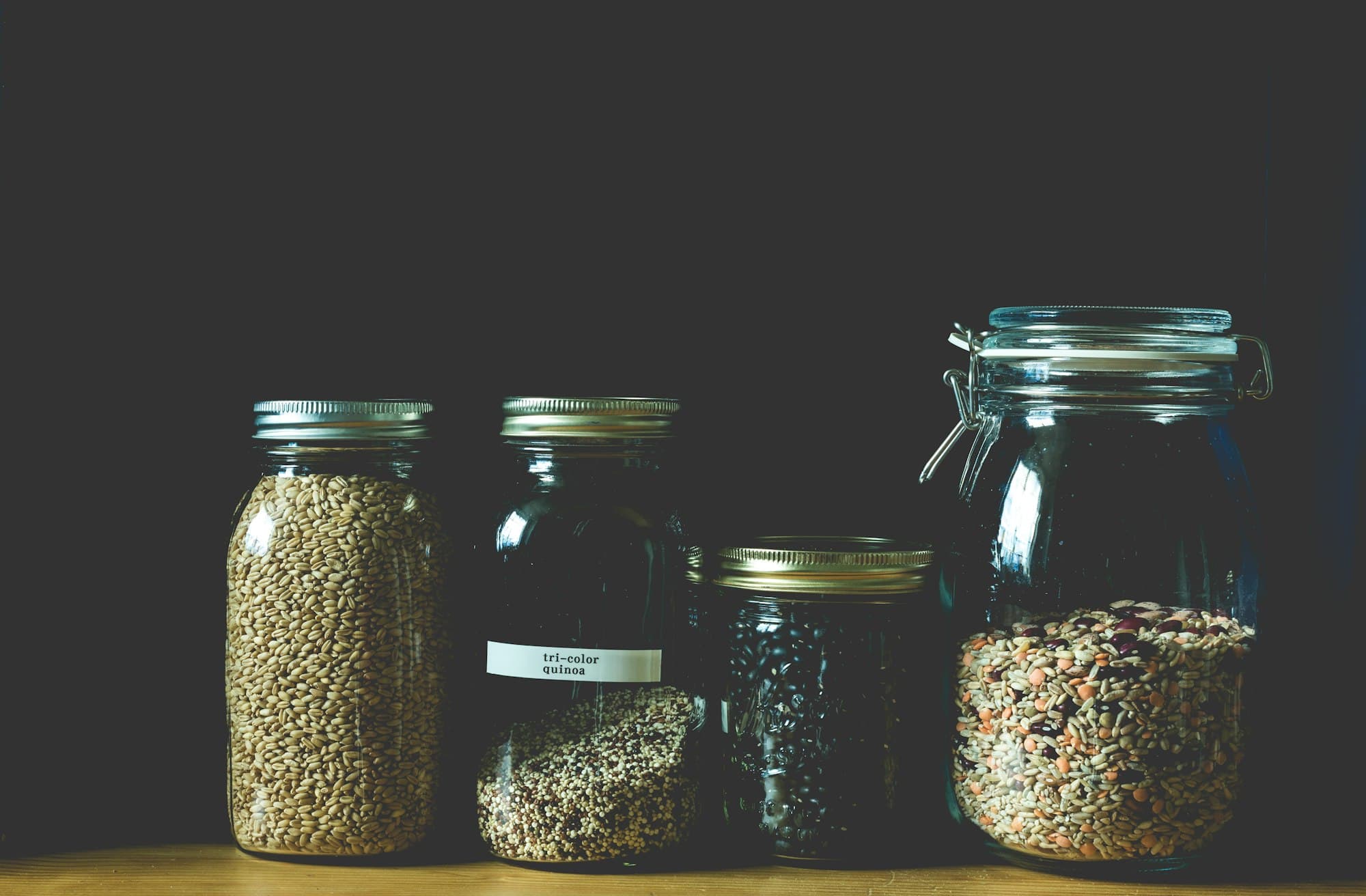
Glass for anything you reheat, steel for anything that travels, and a plate on a bowl for most of the rest.
Tea, coffee and water without the plastic
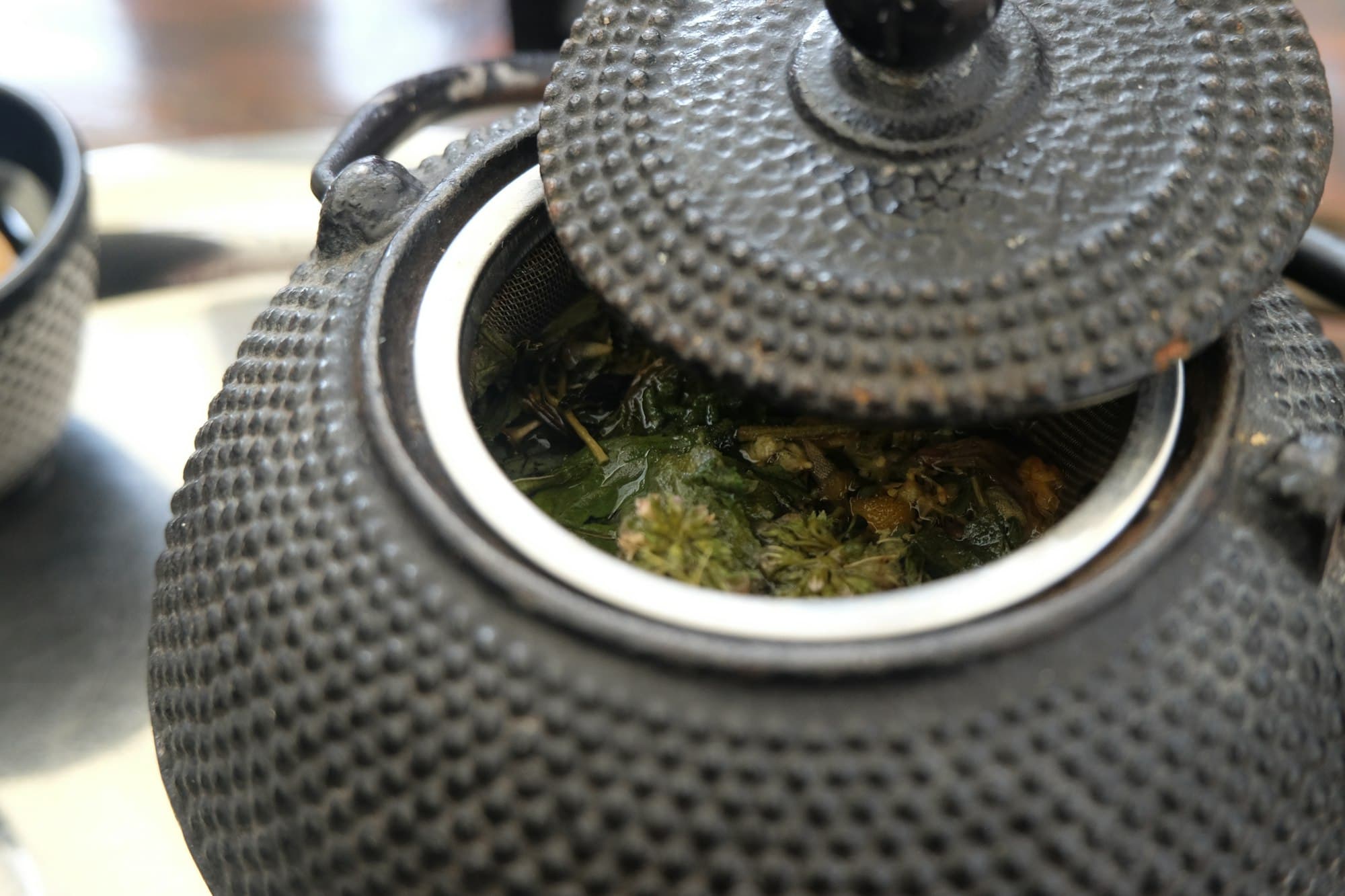
Hot drinks are a daily, repeated contact with plastic. Tea bags, pods and bottled water are the big three.
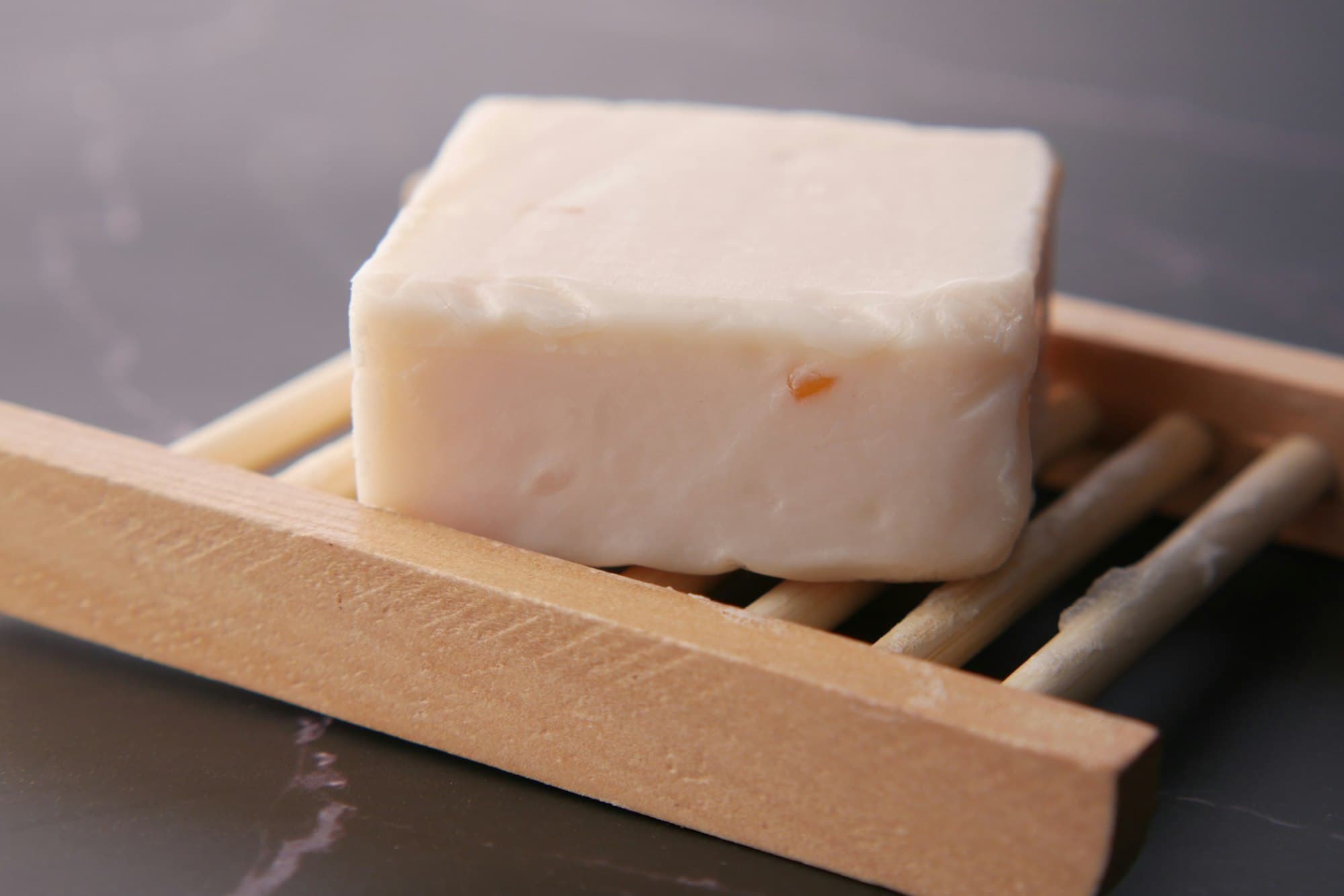
A plastic-free bathroom, one bottle at a time
Bathroom swaps are mostly about packaging — easy, cheap wins you can make as each bottle runs out.
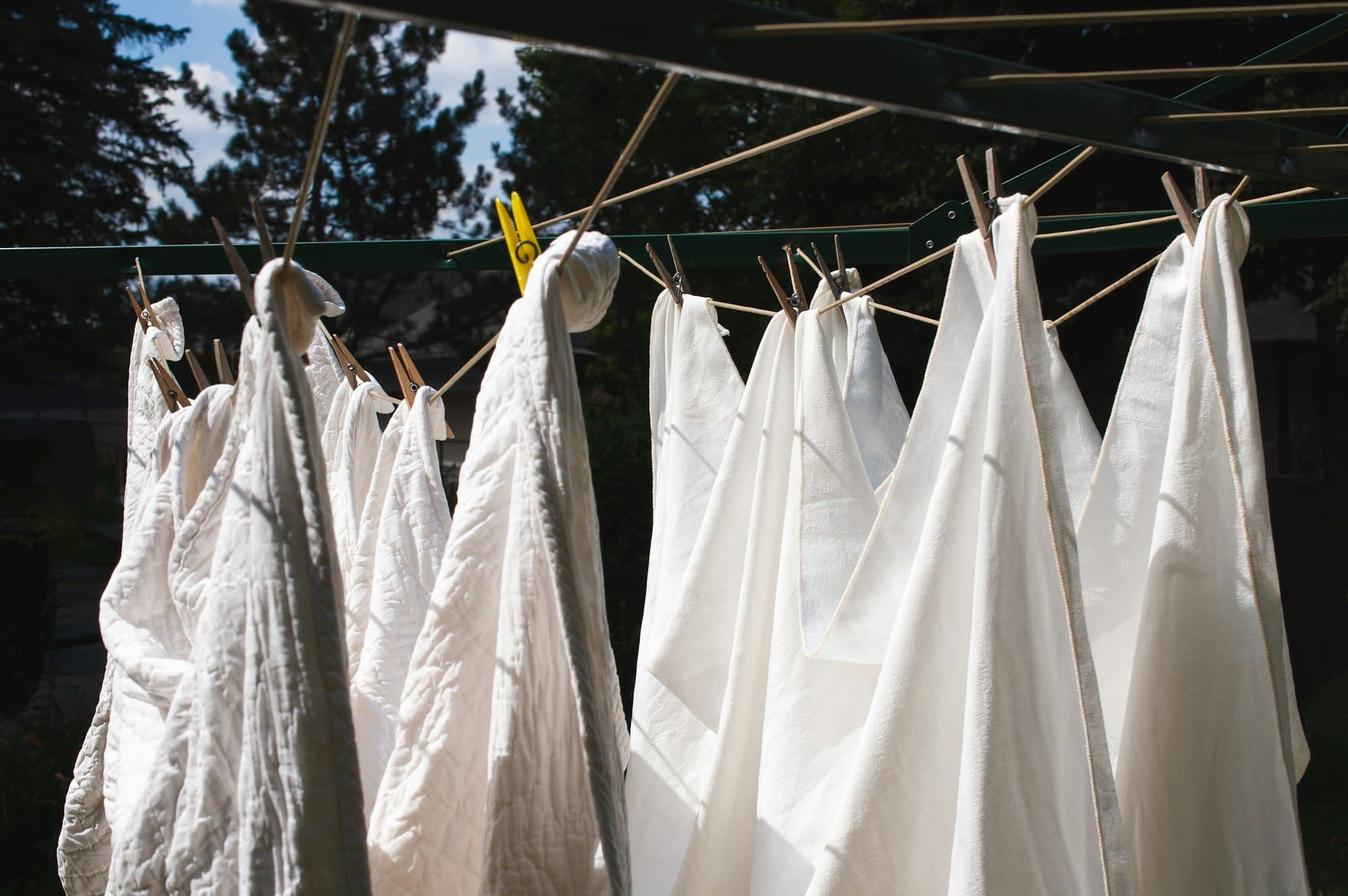
Laundry, microfibres and synthetic clothes
Synthetic clothes shed plastic fibres in every wash. Replace as they wear out, and wash cooler and fuller meanwhile.
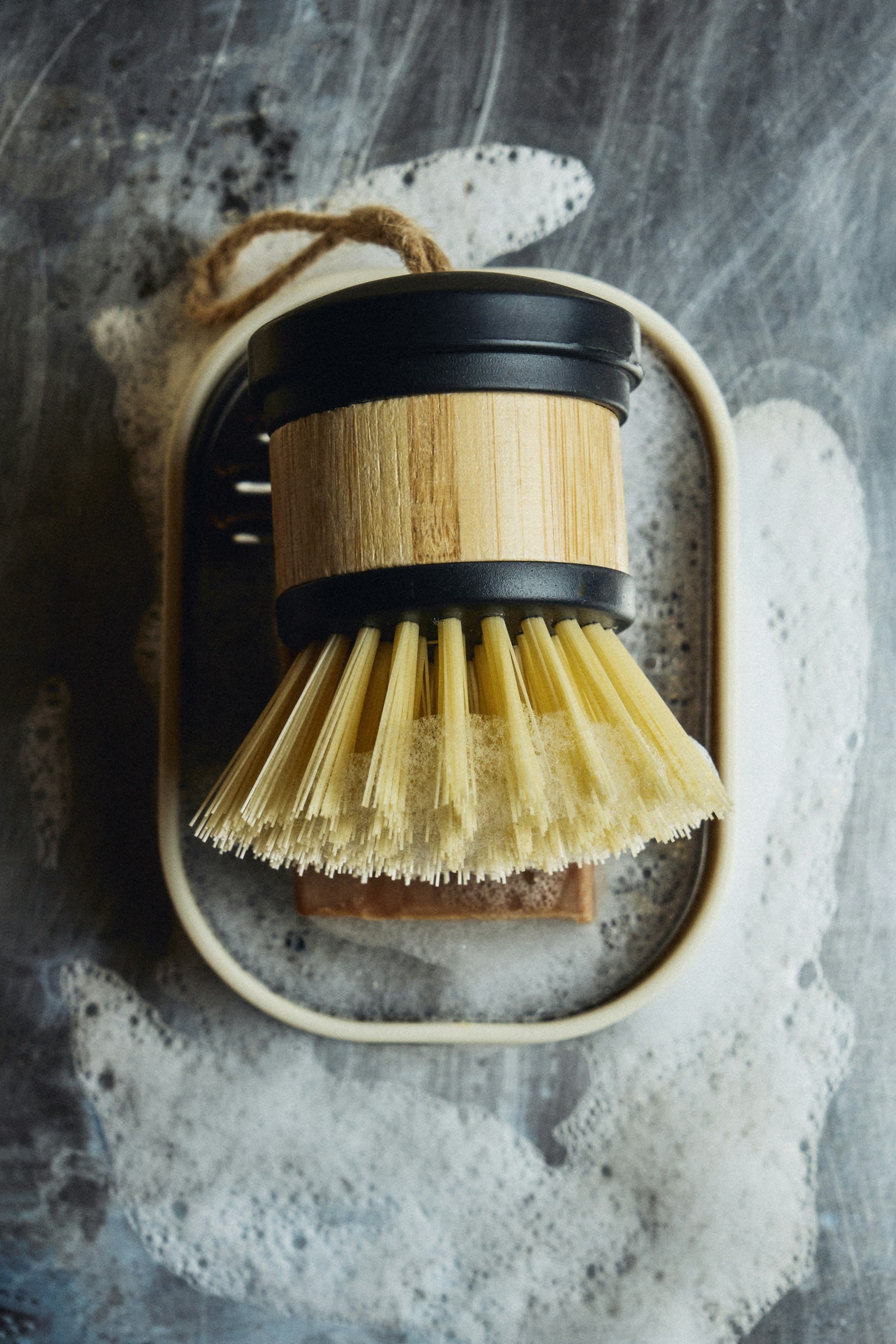
Plastic-free cleaning on a budget
Keep one good spray bottle, refill it with concentrate, and swap plastic sponges for natural scrubbers.
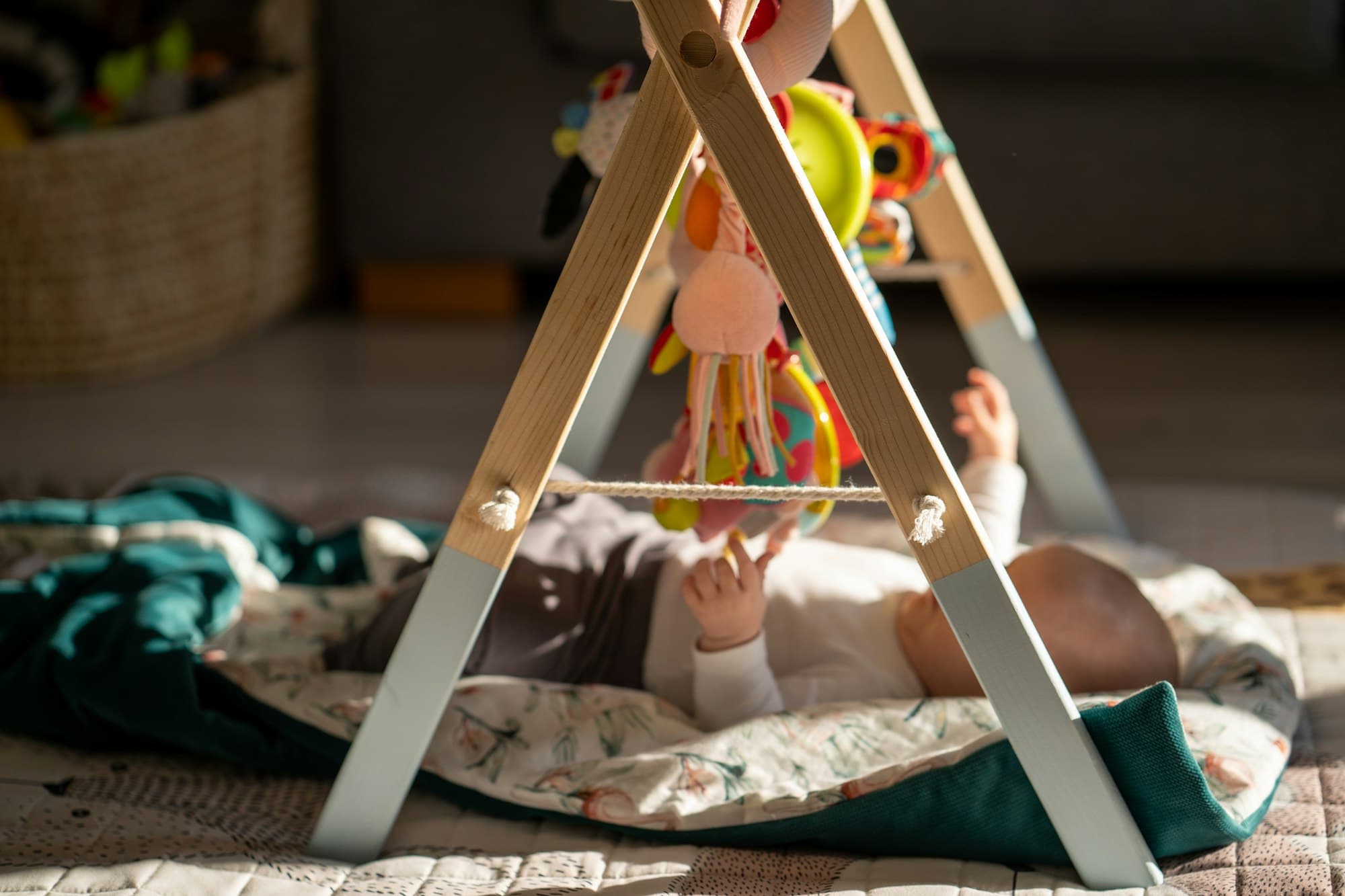
Babies, children and plastic: what to change first
Infants are the most exposed group. Bottle preparation and kids' tableware come first.
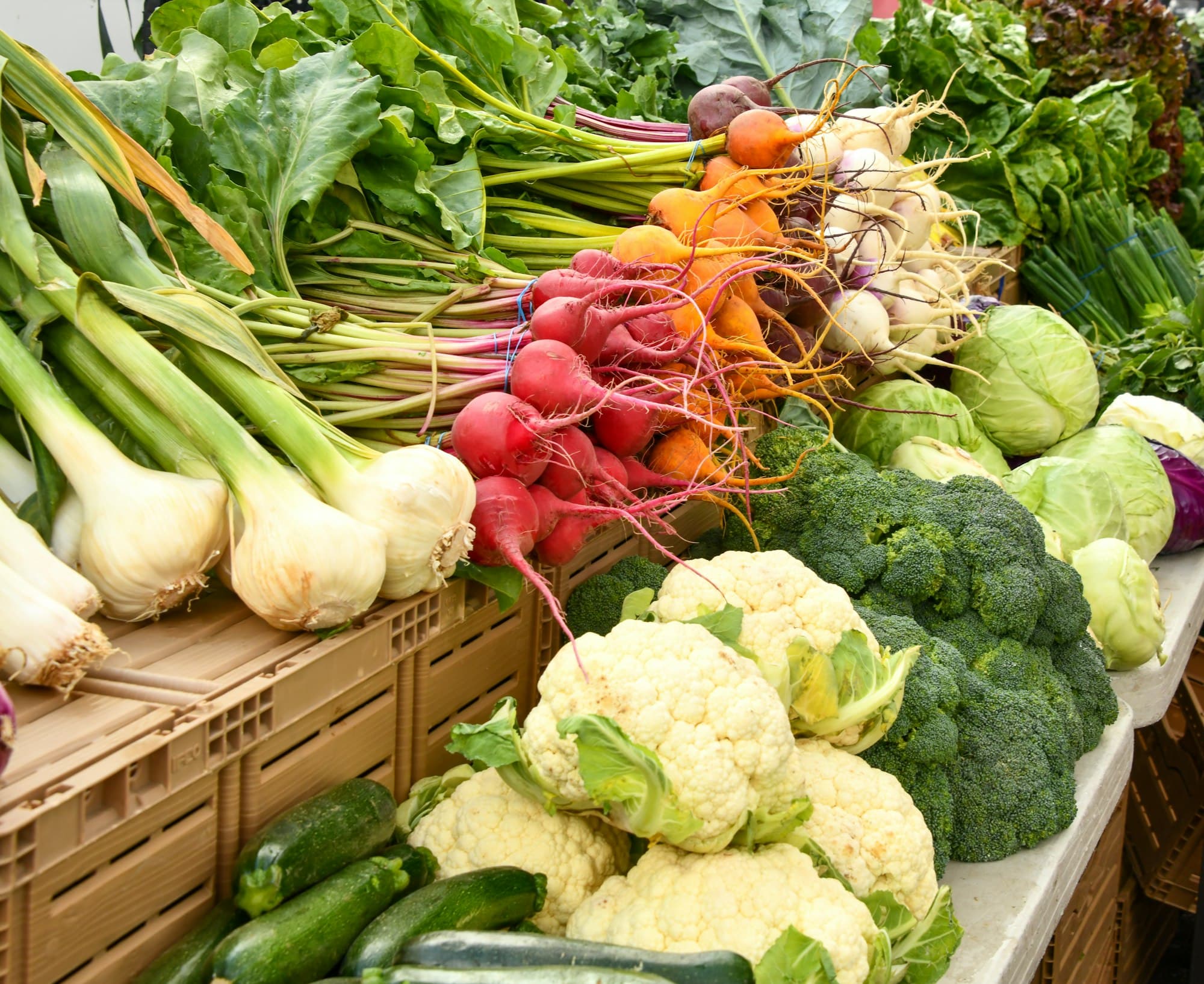
Plastic-free shopping without the guilt
Bags matter less than you think; packaging on the food you buy every week matters more.
Explainers
- 1 min readKettles with no plastic in the water pathA "steel" kettle can still have plastic touching your water. Here's where to look before you buy.
- 1 min readGlass vs stainless steel baby bottlesBoth avoid heating formula in plastic. Glass lets you see what's inside; steel won't break. Teats are the catch.
- 1 min readPreparing formula with less plasticKeep following the NHS safety steps, including water at 70°C or hotter. Just do the hot part in glass or steel.
- 1 min readMicroplastics and health: what we know, and what we don'tWe know people are exposed. What that exposure does to health is still being worked out. Here's an honest summary.
- 1 min readCan you microwave plastic containers?You can, but it's the clearest route for plastic particles into your food. Reheat in glass or ceramic instead.
- 1 min readHow to tell if your tea bags contain plasticLook at the shape, the seal and the wording on the box. Or skip the question with loose-leaf tea.
- 1 min readMicroplastics in bottled water: what we knowBottled water can carry large numbers of tiny plastic particles. UK tap water is a cheaper, lower-plastic choice.
- 1 min readIs non-stick cookware safe?Non-stick coatings are a plastic that wears off. Look after them, replace them when scratched, and consider steel or iron next time.
- 1 min readWhat are microplastics and nanoplastics?Tiny pieces of plastic, from a few millimetres down to far smaller than a cell. Here's where they come from and how they reach us.
- 1 min readIs PLA plastic? Bioplastics explainedYes. PLA and other "plant-based" plastics are still plastic, and most won't break down in a home compost heap.
- 1 min readWhy "bamboo" tableware is usually plasticMost bamboo cups and plates are powdered bamboo bound with melamine resin — a plastic composite.
- 1 min readIs silicone plastic? Our answer, and whySilicone is a synthetic polymer, so we count it as plastic — but we always label it separately so you can decide.