Bathroom & personal care
Disposable razors → stainless steel safety razor
A safety razor lasts a lifetime and blades cost pennies. The learning curve is a week.
Swap Priority
44/100
Lower priority
Swap Priority 44 out of 100: Lower priority- Plastic avoided
- ≈ 300 g a year
- Typical cost
- £20 – £40
- Swap from
- Disposable or cartridge razors
- Last reviewed
- 26 September 2026
How strong is the evidence?
How the dials work- Exposure evidenceHow strong is the evidence that the plastic version exposes you to microplastics or plastic chemicals?
- Weak · 1/4
- Environmental evidenceHow strong is the evidence that this swap cuts environmental harm over the product's whole life?
- Moderate · 3/4
- Claim verificationHow well has the alternative's plastic-free claim been verified?
- No product yet
Why swap
Cartridges and disposables combine plastic and metal so they cannot be recycled. A safety razor uses plain steel blades.
What to look for
- All-metal safety razor
- Blades in card packaging
- A blade bank for safe recycling
Watch out for
- Go slowly for the first few shaves — no pressure needed
More swaps in bathroom & personal care
Bathroom & personal care63/100Swap Priority 63 out of 100: High priority
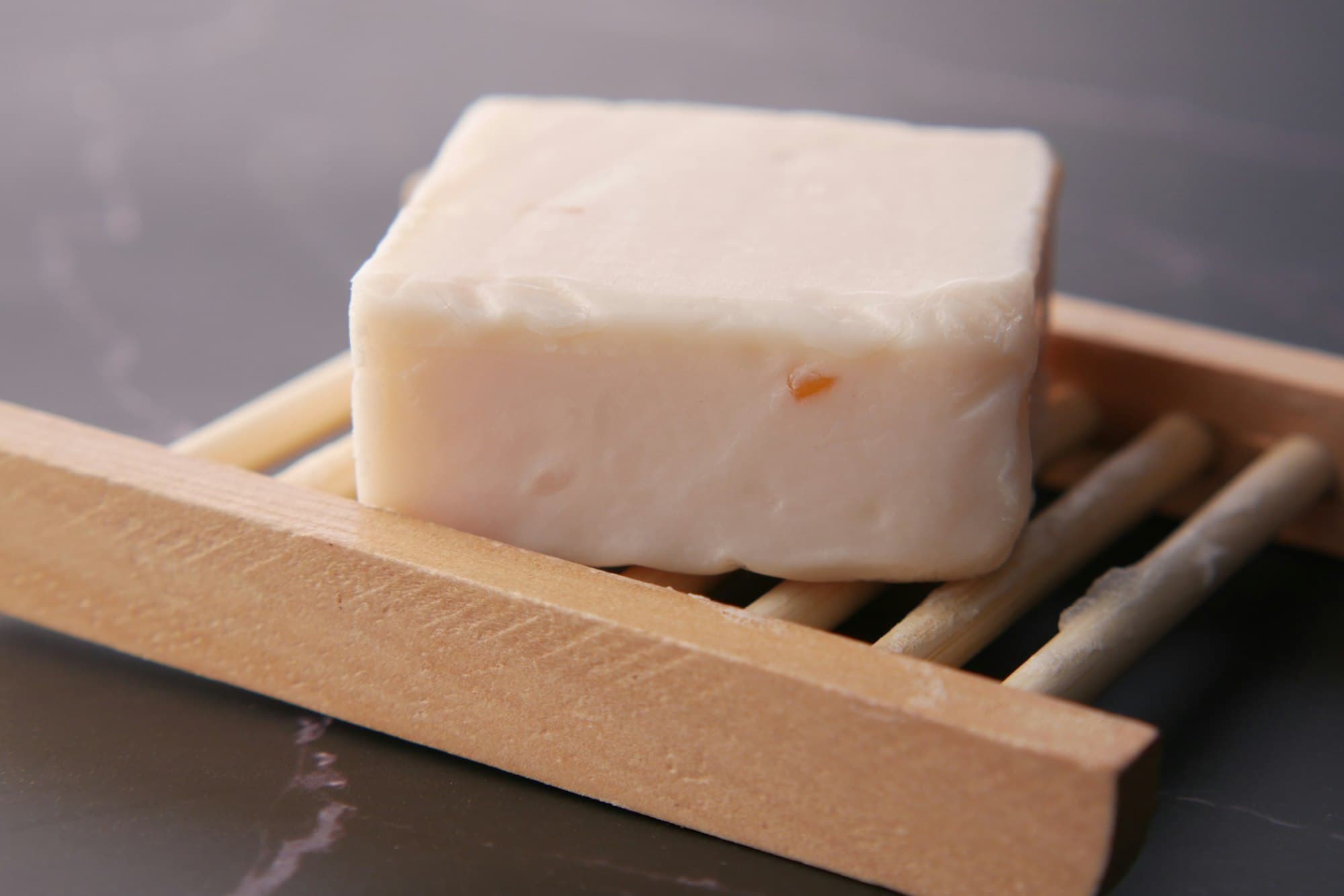
Shower gel bottles → bar soap
The easiest bathroom swap: same job, far less packaging, and usually cheaper.
High priority · about 700 g of plastic a year
Bathroom & personal care56/100Swap Priority 56 out of 100: Worth doing
Plastic toothbrush → wood handle, natural or replaceable bristles
A wooden handle cuts most of the plastic — but nearly all bristles are still nylon.
Worth doing · about 80 g of plastic a year
Bathroom & personal care54/100Swap Priority 54 out of 100: Worth doing
Disposable pads → organic cotton or reusable options
Most disposable pads are largely plastic. Cotton and reusable options cut that, with honest trade-offs.
Worth doing · about 600 g of plastic a year