Food storage
Freezer and sandwich bags → jars and tins
Single-use bags add up fast. Jars, tins and paper handle nearly every job.
Swap Priority
52/100
Worth doing
Swap Priority 52 out of 100: Worth doing- Plastic avoided
- ≈ 500 g a year
- Typical cost
- £5 – £25
- Swap from
- Plastic freezer and sandwich bags
- Last reviewed
- 26 September 2026
How strong is the evidence?
How the dials work- Exposure evidenceHow strong is the evidence that the plastic version exposes you to microplastics or plastic chemicals?
- Weak · 1/4
- Environmental evidenceHow strong is the evidence that this swap cuts environmental harm over the product's whole life?
- Moderate · 3/4
- Claim verificationHow well has the alternative's plastic-free claim been verified?
- No product yet
Why swap
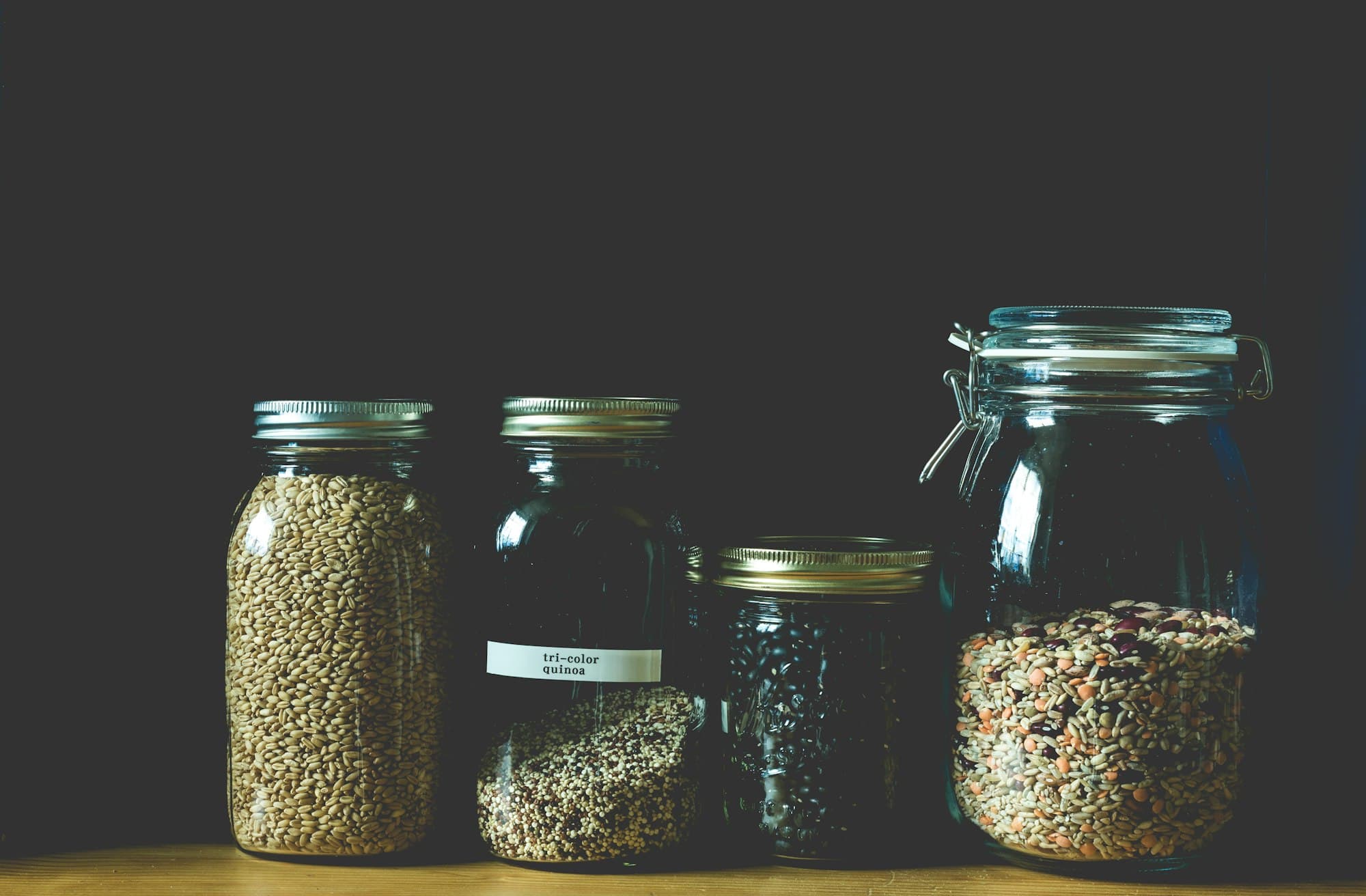
Zip bags are used once or twice and thrown away. Most freezer jobs work in glass jars (leave headroom) or steel tins.
What to look for
- Straight-sided glass jars for freezing
- Stainless steel tins for sandwiches and snacks
- Unlined paper bags for dry food
Watch out for
- Silicone "reusable bags" count as plastic
- Metal jar lids usually have a PVC-based sealing ring
More swaps in food storage
Food storage75/100Swap Priority 75 out of 100: Swap first
Reheating in plastic tubs → glass containers
Heating food in plastic is the single clearest route for plastic particles into what you eat. Glass fixes it.
Swap first · about 600 g of plastic a year
Food storage61/100Swap Priority 61 out of 100: High priority
Cling film → lidded containers or beeswax wraps
Cling film is single-use plastic in direct contact with food. A plate on a bowl does the same job for free.
High priority · about 400 g of plastic a year
Food storage54/100Swap Priority 54 out of 100: Worth doing
Plastic lunch box → stainless steel
Steel lunch boxes last for years, go in the dishwasher and don't stain or crack.
Worth doing · about 100 g of plastic a year