Bathroom & personal care
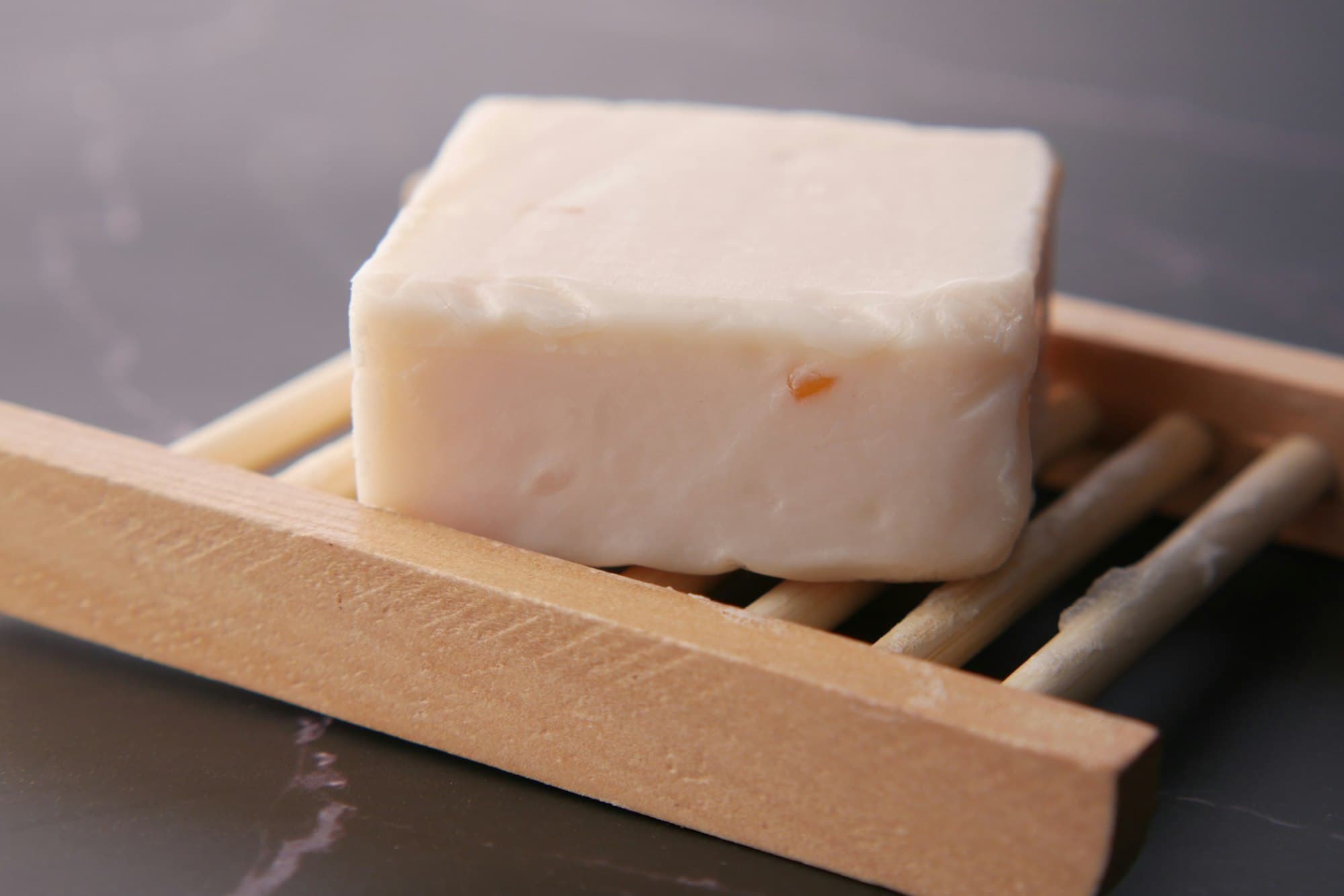
Shampoo bottles → shampoo bar
Bars cut bottles entirely. Expect a week or two for your hair to adjust.
Swap Priority
50/100
Worth doing
Swap Priority 50 out of 100: Worth doing- Plastic avoided
- ≈ 500 g a year
- Typical cost
- £6 – £12
- Swap from
- Shampoo and conditioner in plastic bottles
- Last reviewed
- 26 September 2026
How strong is the evidence?
How the dials work- Exposure evidenceHow strong is the evidence that the plastic version exposes you to microplastics or plastic chemicals?
- Weak · 1/4
- Environmental evidenceHow strong is the evidence that this swap cuts environmental harm over the product's whole life?
- Moderate · 3/4
- Claim verificationHow well has the alternative's plastic-free claim been verified?
- No product yet
Why swap
Shampoo and conditioner bottles are among the most common bathroom plastics. Bars remove the bottle, and one bar typically lasts as long as two or three bottles.
What to look for
- Bars in card or paper packaging
- A tin or dish that lets the bar dry between washes
Watch out for
- Some bars take time to suit hard water — a vinegar rinse helps
- Refill pouches are still plastic
More swaps in bathroom & personal care
Bathroom & personal care63/100Swap Priority 63 out of 100: High priority
Shower gel bottles → bar soap
The easiest bathroom swap: same job, far less packaging, and usually cheaper.
High priority · about 700 g of plastic a year
Bathroom & personal care56/100Swap Priority 56 out of 100: Worth doing
Plastic toothbrush → wood handle, natural or replaceable bristles
A wooden handle cuts most of the plastic — but nearly all bristles are still nylon.
Worth doing · about 80 g of plastic a year
Bathroom & personal care54/100Swap Priority 54 out of 100: Worth doing
Disposable pads → organic cotton or reusable options
Most disposable pads are largely plastic. Cotton and reusable options cut that, with honest trade-offs.
Worth doing · about 600 g of plastic a year