Room guide
Kitchen & cooking
Ranked by Swap Priority: the swaps with the most direct, frequent contact and the strongest evidence come first.
Start here
The plastic-free kitchen: what to swap first
Heat is what turns kitchen plastic from a waste problem into an exposure problem. Start with anything that gets hot.
4 swaps, highest priority first
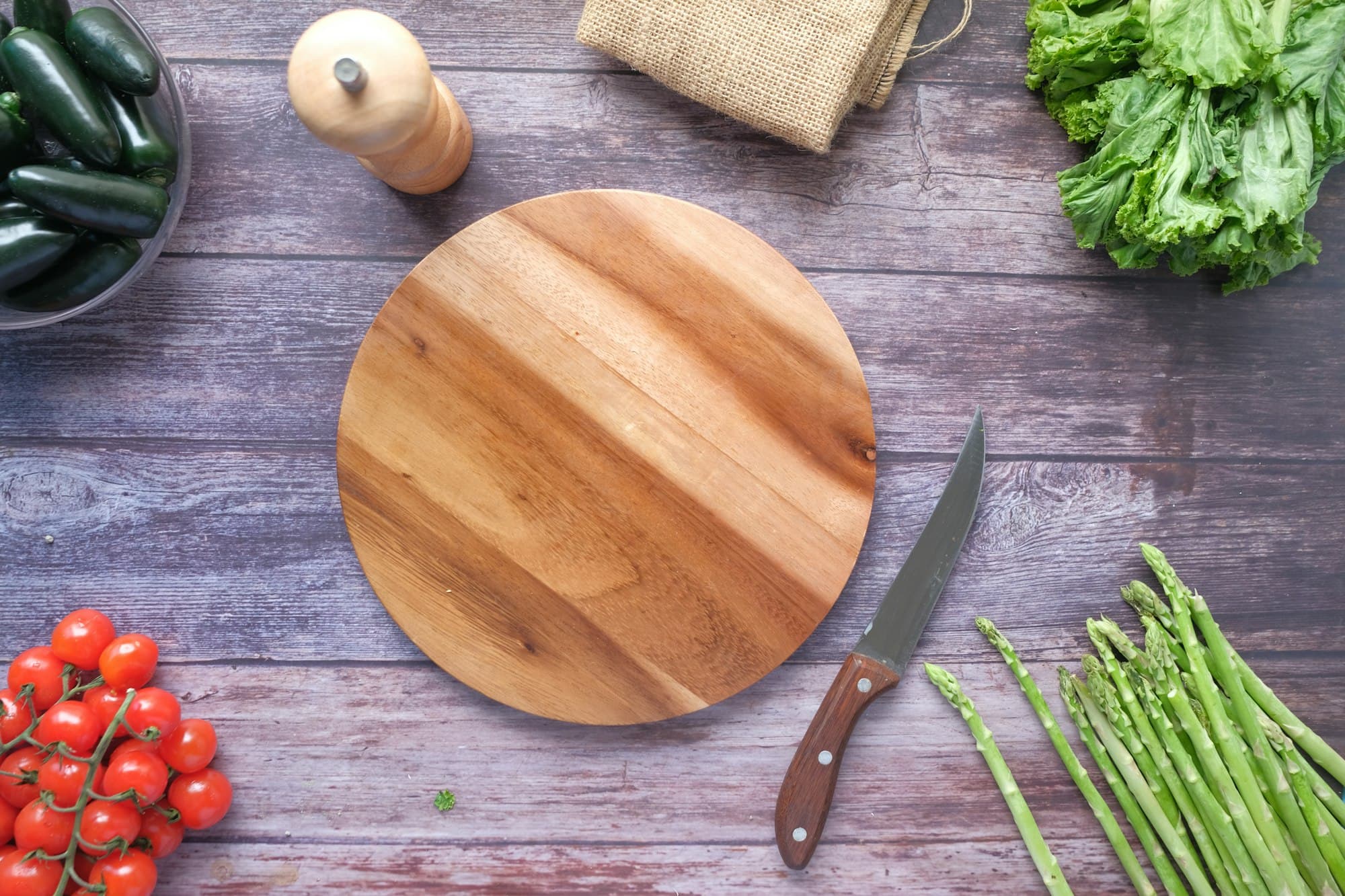
Plastic chopping board → hardwood board
Knives cut tiny pieces off plastic boards and into your food. A hardwood board avoids that and lasts for years.
High priority · about 200 g of plastic a year
Nylon spatulas and spoons → wood or steel
Hot oil and pans soften plastic utensils. Wooden and steel ones don't melt, chip or leach.
High priority · about 60 g of plastic a year
Plastic kettle → steel kettle with no plastic in the water
Boiling water in plastic several times a day is one of the most frequent heat-plus-plastic contacts in a home.
High priority · about 250 g of plastic a year
Non-stick pan → stainless steel or cast iron
Non-stick coatings are a fluoropolymer plastic that wears off over time. Steel and iron pans last decades.
Worth doing · about 30 g of plastic a year
More reading
- Is non-stick cookware safe?
Non-stick coatings are a plastic that wears off. Look after them, replace them when scratched, and consider steel or iron next time.
- Kettles with no plastic in the water path
A "steel" kettle can still have plastic touching your water. Here's where to look before you buy.